Stroke Recovery
What Is Stroke Recovery?
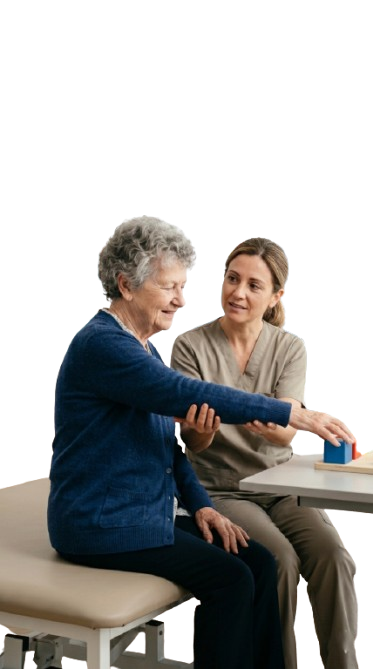
Stroke recovery is the process of regaining movement, strength, and independence after a stroke. A stroke occurs when blood flow to the brain is interrupted, affecting functions such as movement, speech, and coordination.
Recovery varies for each individual, but with proper rehabilitation and physiotherapy, many patients can improve their mobility and quality of life.
Recovery varies for each individual, but with proper rehabilitation and physiotherapy, many patients can improve their mobility and quality of life.
Common Causes
- Blockage of blood vessels (ischemic stroke)
- Rupture of blood vessels (hemorrhagic stroke)
- High blood pressure
- Heart-related conditions
Symptoms
After a stroke, individuals may experience physical and cognitive challenges that affect daily functioning.
- Weakness or paralysis on one side of the body
- Difficulty speaking or understanding speech
- Loss of balance and coordination
- Memory or concentration problems
Treatment Options
Recovery focuses on rehabilitation and restoring independence through structured care.
- Physiotherapy: Exercises to improve strength, mobility, and coordination
- Speech and occupational therapy
- Medications for ongoing management
- Personalized rehabilitation programs
Prevention Tips
Adopting healthy habits plays a key role in preventing future strokes.
- Control blood pressure and sugar levels
- Maintain a healthy diet
- Stay physically active
- Avoid smoking and excessive alcohol
When to See a Doctor
Timely medical care is critical in stroke management and prevention.
- Sudden weakness or numbness, especially on one side
- Difficulty speaking or understanding
- Sudden loss of balance or coordination
- Severe headache with no known cause
Conclusion
Stroke recovery requires time, patience, and consistent rehabilitation. With the support of physiotherapy and proper care, individuals can regain strength, improve mobility, and work towards an independent and active life.