Balance Problems & Fall Risk
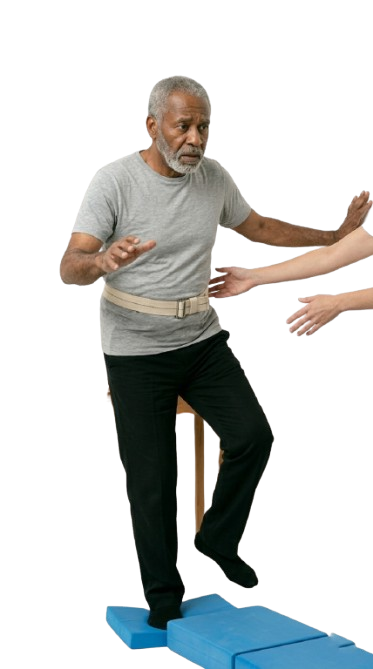
What Are Balance Problems?
Balance problems affect stability and coordination, increasing the risk of falls—especially in older adults. These issues can impact confidence and independence.
Common Causes
- Muscle weakness
- Inner ear issues
- Neurological conditions
- Medication side effects
Symptoms
Common signs and physical changes that help identify the condition and its severity.
Symptoms may vary from mild unsteadiness to frequent falls, often affecting confidence and mobility.
- Dizziness or feeling lightheaded
- Unsteady or wobbly walking
- Frequent slips or falls
- Loss of coordination
- Difficulty standing for long periods
Treatment Options
Treatment focuses on improving strength, balance, and overall safety through guided care.
- Physiotherapy: Balance training and strength-building exercises
- Use of assistive devices (walker or cane)
- Home safety modifications
- Medication review if needed
Prevention Tips
Simple precautions and regular activity can significantly reduce fall risk.
- Keep living spaces clutter-free
- Wear proper, non-slip footwear
- Install grab bars and handrails
- Stay active with balance exercises
When to See a Doctor
Early assessment can help prevent serious injuries and improve safety.
- Frequent or unexplained falls
- Severe or ongoing dizziness
- Sudden loss of balance
- Difficulty walking or standing
Conclusion
Balance problems and fall risk can impact independence, but with proper physiotherapy and preventive care, stability can be improved. Early intervention helps seniors stay safe, confident, and active in their daily lives.