Knee Pain in Seniors
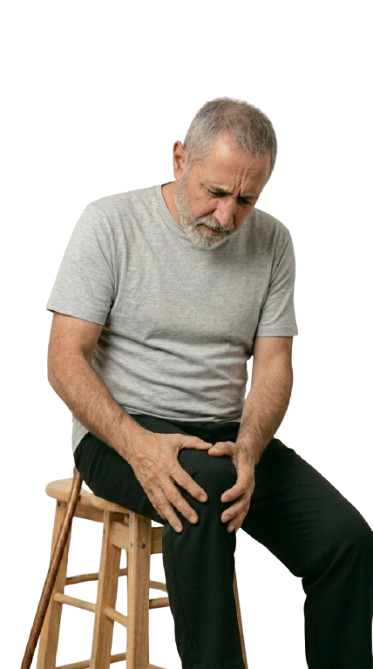
What Is Knee Pain in Seniors?
Aging brings unique mobility challenges—but with the right care, seniors can Knee pain is a common condition that affects older adults due to aging, joint wear and tear, or underlying medical conditions. It may develop gradually or occur suddenly after an injury. Conditions such as arthritis, infections, or cartilage damage can also contribute to knee pain.
Common Causes
- Osteoarthritis and joint degeneration
- Ligament injuries or torn cartilage
- Age-related muscle weakness
- Gout or joint infections
Symptoms
Common signs and physical changes that help identify the condition and its severity.
Symptoms of knee pain in seniors can vary based on the cause and may develop gradually or suddenly. In the early stages, discomfort may be mild and noticeable only during movement. As the condition progresses, it can begin to affect daily activities and mobility.
Understanding these symptoms helps in early identification and timely care.
- Persistent or activity-related knee pain
- Swelling and stiffness in the joint
- Warmth or redness around the knee
- Weakness or instability
- Popping or clicking sounds
- Difficulty bending or straightening the knee
Treatment Options
Available medical and non-medical approaches to manage pain, improve function, and support recovery.
Treatment for knee pain depends on its cause and severity. Most cases can be managed with non-surgical methods, while severe conditions may require advanc
Treatment for knee pain depends on its cause and severity. Most cases can be managed with non-surgical methods, while severe conditions may require advanc
- Rest and activity modification
- Pain relief and anti-inflammatory medications
- Physiotherapy to strengthen muscles and improve flexibility
- Knee braces or support for stability
- Heat or cold therapy to reduce pain and swelling
Prevention Tips
Practical steps and lifestyle habits that can help reduce the risk or prevent worsening of the condition.
Maintaining healthy habits can help protect the knee joint and reduce the risk of pain or injury.
- Maintain a healthy body weight
- Stay active with low-impact exercises
- Strengthen muscles around the knee
- Avoid sudden or excessive strain
- Allow proper rest and recovery after activity
When to See a Doctor
Important warning signs that indicate the need for professional medical evaluation and timely treatment.
It is important to seek medical advice if symptoms persist or worsen, as early treatment can prevent complications.
- Pain lasting more than a few days
- Difficulty walking or bearing weight
- Severe swelling or visible deformity
- Knee feels unstable or gives out
- Pain with fever, redness, or warmth
Conclusion
Knee pain in seniors is a common but manageable condition. With proper care, timely treatment, and regular physical activity, most individuals can maintain mobility and reduce discomfort. Early attention to symptoms plays a key role in preventing long-term joint problems and supporting an active lifestyle.